
Relationship issues & Narcissistic abuse recovery
Many people are in toxic relationships, and they don’t even realize it. Some of these toxic people display hurtful behaviours, such as negative judgment, control, blame shifting, and an inability to apologize. Those who have narcissistic traits present more than just these abusive behaviours. Not every person who has narcissistic traits has narcissistic personality disorder (NPD). These traits exist on a spectrum, can manifest in different ways, and can vary in severity.
Healing from narcissistic abuse requires a trauma-informed approach. Because narcissistic abuse often leads to complex trauma, trauma bonding, and a loss of self-trust, traditional talk therapy alone may not fully address the deeper emotional and psychological effects.
Evidence-based trauma therapies can support lasting recovery. Approaches such as EMDR, Brainspotting, Internal Family Systems (IFS), Cognitive Behavioural Therapy (CBT), and Dialectical Behaviour Therapy (DBT) can help process traumatic experiences, reduce emotional distress, strengthen self-awareness, and support nervous system regulation.
Choosing the right therapist is an important part of the healing process. Working with a therapist who understands the dynamics of narcissistic abuse can help you make sense of your experiences, rebuild confidence in your own perceptions, establish healthy boundaries, and move forward without shame or self-blame.
Recovery is most successful when therapy is combined with healthy support systems. Healing is strengthened through safe relationships, psychoeducation, self-compassion, effective boundary-setting, and, when appropriate, no-contact or low-contact strategies.
Recovery from narcissistic abuse is possible. While time and physical distance from an abusive relationship can create space for healing, meaningful recovery often requires intentionally addressing the emotional wounds left behind. Many survivors struggle with trauma bonding, chronic self-doubt, diminished self-worth, emotional dysregulation, hypervigilance, and symptoms of complex trauma long after the relationship has ended.
Healing is about reclaiming your identity, rebuilding trust in yourself, restoring your sense of safety, and creating healthier patterns for future relationships. With the right therapeutic support, recovery can lead to greater resilience, deeper self-understanding, and a renewed sense of confidence and emotional freedom.
If you are a victim of narcissistic abuse and you think that you could benefit from professional assistance, please reach out. You don’t need to face these challenges alone. Once, I was a victim, like you. We can navigate the healing journey together.
A scorpion wants to cross a river but cannot swim, so it asks a frog to carry it across. The frog hesitates, afraid that the scorpion might sting it, but the scorpion promises not to, pointing out that it too would drown if he killed the frog in the middle of the river. The frog considers this argument sensible and agrees to transport the scorpion. Midway across the river, the scorpion stings the frog anyway, dooming them both. The dying frog asks the scorpion why it stung him, despite knowing the consequence, to which the scorpion replies: "I am sorry, but I couldn't resist the urge. It's in my nature."
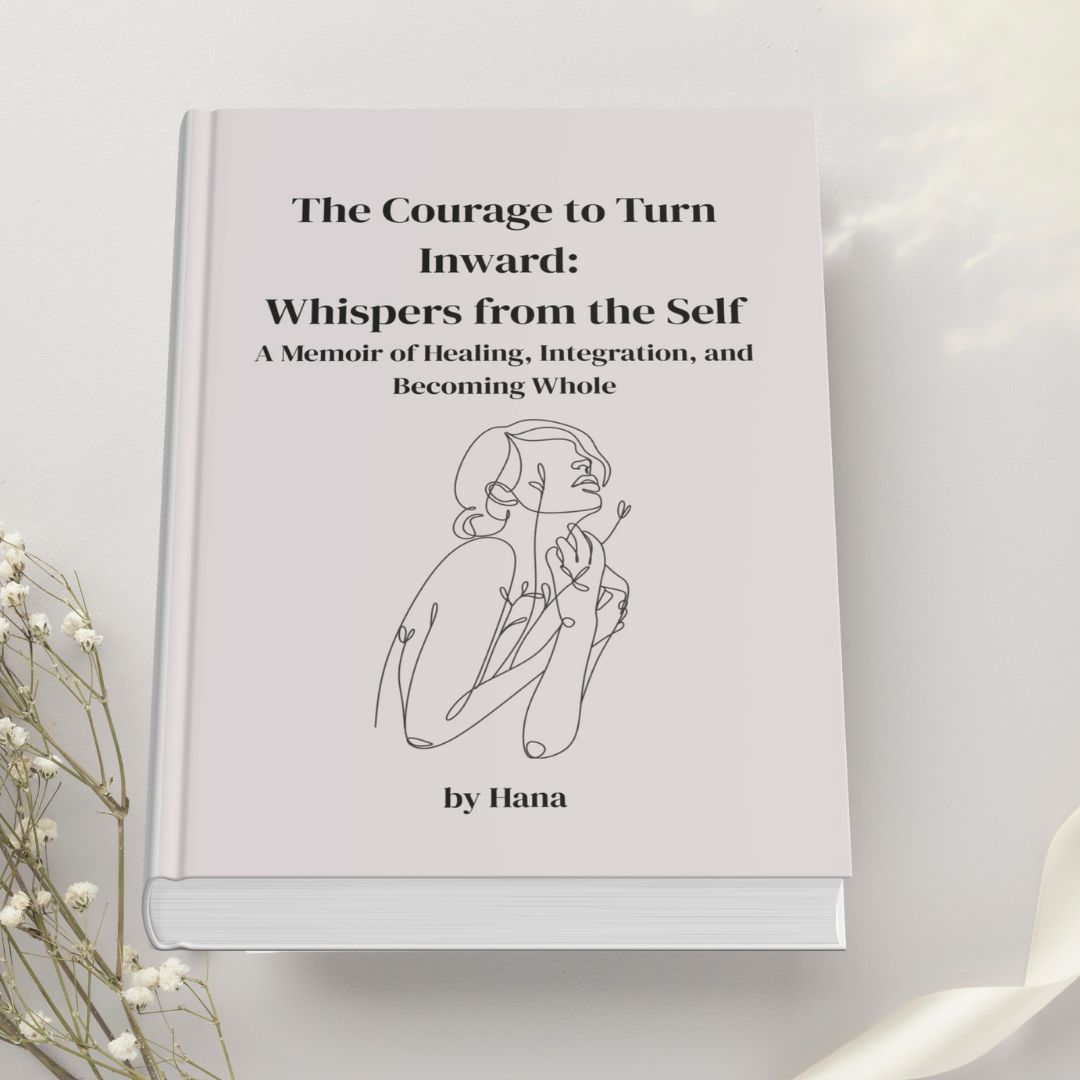
Relationship trauma is emotional and psychological distress caused by harmful experiences in a relationship. It can include abuse, betrayal, or infidelity. Relationship trauma can occur in any relationship, including romantic, familial, or professional relationships.
Symptoms:
Distrust: Distrust of other people or suspicion of your own surroundings
Sleep disturbances: Nightmares or other sleep issues related to fear, anxiety, and panic
Sexual dysfunction: Lower libido or other sexual issues
Flashbacks: Flashbacks to traumatic events in the relationship
Obsessive thoughts: Rethinking old arguments or obsessing over how you could have acted differently
Fear and anger: Feelings of fear and anger towards the abuser
Self-blame: Blaming yourself for the abuse or believing you're to blame for anything that goes wrong